
The Cotswolds, Your Way
Honey-colored villages, rolling green hills, historic manor houses, beautiful gardens, and welcoming country pubs give the Cotswolds its unmistakable charm. This is the England many travelers picture before they arrive: peaceful footpaths, cottages covered in climbing roses, sheep grazing behind dry-stone walls, and market towns that seem made for leisurely afternoons.
But the Cotswolds is not one village or a single destination. It is a large rural region with distinct northern, central, and southern areas. Choosing the right place to stay, and grouping nearby villages and experiences, is key to enjoying it without spending the entire trip in the car.
Why You’ll Love The Cotswolds
The Cotswolds invites you to slow down. Days here are less about checking attractions off a list and more about enjoying the countryside’s rhythm: wandering through a market town, visiting a historic garden, stopping for lunch at a village pub, and walking between neighboring villages.
It is an ideal destination for travelers who appreciate beautiful landscapes, history, gardens, locally owned shops, excellent food, and hotels with a strong sense of place. It also pairs beautifully with London, Bath, Oxford, Stratford-upon-Avon, or a longer journey through the English countryside.
The famous villages are lovely, but they are only part of the experience. Some of the most memorable moments happen away from the busiest streets—in a quiet churchyard, along a country footpath, over afternoon tea, or beside the fire at a historic inn.
The Cotswolds at a Glance
Best for: Couples, garden lovers, walkers, history enthusiasts, food-focused travelers, and anyone seeking a slower countryside escape
Ideal length of stay: Three to five nights
Best way to explore: Rental car, private driver, or a combination of guided touring and walking
Best-known villages and towns: Chipping Campden, Broadway, Stow-on-the-Wold, Bourton-on-the-Water, the Slaughters, Burford, Bibury, and Castle Combe
Best rail gateway: Moreton-in-Marsh is especially convenient for the northern Cotswolds, with direct rail service from London Paddington
Best time to visit: Late spring through early autumn for gardens and walking; autumn for changing foliage; winter for fireside stays and a quieter atmosphere
Pairs well with: London, Bath, Oxford, Blenheim Palace, Stratford-upon-Avon, or the English countryside
Exploring on foot: Some travelers walk between villages using public footpaths or sections of the Cotswold Way. Options range from gentle village-to-village walks to multi-day itineraries with luggage transfers.
Important to know: The Cotswolds is spread out, and travel on narrow rural roads can take longer than the mileage suggests. A well-planned itinerary should focus on one geographic area each day.
Where To Stay
Where you stay matters enormously in the Cotswolds. Some hotels place you within walking distance of shops and restaurants, while others provide a secluded country-house experience where the hotel itself is part of the destination.
The Lygon Arms — Best Village-Center Stay
Set directly on Broadway’s beautiful High Street, The Lygon Arms combines more than 600 years of history with the comforts of a full-service country hotel. Guests can walk to Broadway’s shops, galleries, pubs, and restaurants, making it an excellent choice for travelers who do not want to drive every evening. It also has a spa and indoor pool.
Dormy House — Best for a Spa Retreat
Located on the Farncombe Estate above Broadway, Dormy House has the warmth of a country farmhouse paired with a highly regarded spa, excellent dining, and relaxed contemporary interiors. This is a wonderful choice for couples who want sightseeing balanced with meaningful time to enjoy their hotel. It is outside the village, so transportation is needed for Broadway’s shops and restaurants.
Thyme — Best Romantic Countryside Escape
Thyme is a family-owned country estate in the village of Southrop, with individually designed rooms and cottages, a botanical spa, gardens, a cookery school, the Ox Barn restaurant, and a traditional village pub. Food, nature, and understated design are at the center of the experience. I especially like it for couples, celebrations, and travelers who want their hotel to feel like a destination in its own right.
Lords of the Manor — Best Classic Country-House Experience
Located in peaceful Upper Slaughter, Lords of the Manor offers the traditional English manor-house setting many travelers imagine when planning a Cotswolds stay. Its gardens, refined service, and destination dining create an elegant retreat, while a public footpath connects Upper Slaughter with neighboring Lower Slaughter.
The Painswick — Best Relaxed Boutique Stay
Housed in an 18th-century mansion overlooking the Gloucestershire hills, The Painswick is intimate, stylish, and less formal than a traditional country-house hotel. With only a small number of rooms and a location within the historic town of Painswick, it works particularly well for travelers who prefer a boutique atmosphere and want to explore the western Cotswolds.
The right choice depends on whether you prioritize village walkability, spa facilities, fine dining, accessibility, or the privacy of a country estate. I help clients choose not only the best hotel, but the best location for the experiences they want to include.
Experiences Worth Your Time
Explore the Northern Cotswolds
Chipping Campden, Broadway, Stow-on-the-Wold, Bourton-on-the-Water, and Upper and Lower Slaughter form the heart of many first-time itineraries.
You shouldn’t approach them all in exactly the same way. Broadway and Stow have shops, restaurants, and enough to keep you busy for a longer visit. Bourton-on-the-Water is picturesque but can be extremely busy. The Slaughters are quieter and especially enjoyable on foot.
A private guide or driver can connect these places efficiently while adding the history and local context you can easily miss when moving from one photo stop to another.
Walk Between Villages
Walking is one of the most rewarding ways to experience the landscape. A popular route connects Bourton-on-the-Water with Lower and Upper Slaughter, while other footpaths link villages throughout the region.
Walks can be a gentle part of a touring day or expanded into a multi-day journey, with luggage transferred between accommodations. Conditions may include mud, uneven ground, gates, stiles, livestock, and stretches without shelter, so match the route to the traveler and the weather.
Visit an English Garden
The Cotswolds have some of England’s most celebrated gardens. Hidcote is known for its series of Arts and Crafts garden rooms, while neighboring Kiftsgate combines formal plantings with dramatic terraces and countryside views.
Sezincote offers something entirely different, blending Indian-influenced architecture with temples, water features, and gardens that helped inspire Brighton’s Royal Pavilion. Painswick Rococo Garden, Snowshill Manor, Westonbirt Arboretum, and seasonal Cotswold Lavender can also be incorporated, depending on the time of year.
Opening schedules vary considerably, and some gardens are not open every day. Advance planning matters here.
Step Inside the Region’s History
Sudeley Castle combines royal history, romantic ruins, and beautiful gardens. Katherine Parr, Henry VIII’s sixth wife, lived at Sudeley and is buried in the church on its grounds.
Chedworth Roman Villa offers a very different perspective, with mosaics, bathhouse remains, and evidence of life in a wealthy Romano-British household.
Blenheim Palace lies just beyond the formal Cotswolds boundary but fits naturally into many itineraries. The palace, gardens, exhibitions, and estate can take up most of a day, so don’t treat it as a quick stop between villages.
Enjoy a Proper Pub Lunch
A relaxed pub lunch is part of the Cotswolds experience. Menus may feature locally raised meat, seasonal produce, regional cheeses, and traditional dishes alongside more contemporary cooking.
Sunday lunch—especially a traditional roast—is extremely popular and should be reserved in advance. In smaller villages, the local pub may be the only nearby dinner option, making reservations and transportation important.
Browse Market Towns and Independent Shops
Cirencester, Stow-on-the-Wold, Burford, Broadway, Chipping Campden, and Tetbury offer independent shops, galleries, antiques, homewares, clothing, and regional food products.
Tetbury and Stow are particularly known for antiques, while Cirencester has one of the region’s broadest selections of shops and everyday services. Opening hours can be shorter than American travelers expect, especially on Sundays and early in the week.
Planning Tips
Choose Your Base Carefully
There is no single “center” of the Cotswolds. Broadway or Chipping Campden works well for the northern region, while Painswick, Tetbury, or a countryside property may be more convenient for western and southern experiences.
A village-center hotel gives you more freedom to walk to shops and restaurants. A secluded country-house hotel offers peace, scenery, and resort amenities but may require a driver or taxi for every evening away from the property.
Don’t Try to See Every Village
You can combine several famous villages in one day, but more is not always better. Many begin to blend together when an itinerary becomes a series of brief stops.
I prefer to combine two or three neighboring villages with one meaningful experience—a garden, historic estate, countryside walk, afternoon tea, or leisurely lunch.
Plan Transportation Before You Arrive
Driving provides flexibility, but visitors should be comfortable driving on the left and navigating narrow lanes, passing places, roundabouts, and limited village parking.
A private driver eliminates those concerns and makes it easier to enjoy lunches, local drinks, and countryside scenery without watching the road. Reserve taxis and car services in advance, especially for railway arrivals and evening meals.
Reserve More Than Just Your Hotel
Popular gardens, estates, guided experiences, and special exhibitions may require timed admission. Reserve dinner, especially on weekends or when staying outside a larger town.
Independent businesses may close one or two days each week, and seasonal attractions can have very limited opening periods. A thoughtfully planned itinerary prevents unnecessary driving and disappointing closed doors.
Pack for the Countryside
Bring comfortable shoes with good traction, lightweight layers, and a hooded waterproof jacket. Even a day without a formal hike may include cobbles, gravel drives, garden paths, wet grass, or muddy footpaths.
Historic hotels and attractions may also have stairs, sloping floors, narrow entrances, and limited elevators. Travelers with mobility concerns should carefully vet hotel rooms and individual experiences before booking.
Let’s Plan Your Cotswolds Journey
The Cotswolds can be a peaceful escape from London, part of a longer British itinerary, or the centerpiece of a countryside journey designed around gardens, walking, food, history, or wellness.
I’ll help you choose the right home base, match you with hotels that suit the way you travel, arrange private transportation and experiences, and create a route that feels seamless rather than rushed.
Not just a trip. It’s your next great story.
Start Planning Your Journey
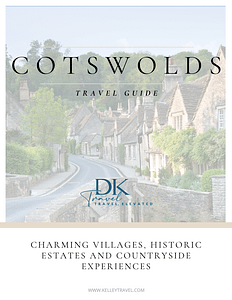
To get the most out of your trip to The Cotswolds, download my Cotswolds Travel Guide for all the information on this page and more!
Ready to Experience The Cotswolds?
You can spend dozens of hours comparing hotels, reading restaurant reviews, figuring out which attractions need advance reservations and trying to determine how everything fits together.
Or you can let me take care of it.
I design personalized vacations for travelers who want an exceptional trip without managing all the research and logistics themselves. We’ll start with a conversation about how you like to travel, what you want to experience, and what’s important to you. From there, I’ll create a thoughtfully designed itinerary, handle the details, and support you throughout your trip.