
England, Your Way
England’s character changes dramatically beyond London. Ancient monuments rise from the Wiltshire countryside, literary villages preserve the stories of beloved writers, Cornwall meets the Atlantic in cliffs and fishing harbors, and the North brings medieval cities, grand estates, rugged national parks, and some of the country’s most compelling landscapes.
It is possible to see several regions in one journey, but England is best approached as a collection of distinct places rather than a checklist of famous sights. The right route may combine a city with the countryside, a historic home with a coastal stay, or a few days of private touring with time to settle into an exceptional country-house hotel.
Why You’ll Love England
England offers remarkable variety within a relatively compact country. History is not confined to museums: it appears in cathedrals, village streets, prehistoric landscapes, country estates, ruined abbeys, and pubs that have welcomed travelers for centuries.
Plenty awaits travelers who already know London. Southern England offers gardens, literary connections, and villages that remain largely unfamiliar to international visitors. Cornwall feels shaped by the sea, with its own food, artistic traditions, and slower coastal rhythm. Northern England brings another shift in atmosphere, pairing historic cities with open countryside, lakes, moors, castles, and dramatic coastlines.
The pleasure lies in the contrasts, and in allowing enough time to appreciate them.
England at a Glance
Best for: History, gardens, literature, scenic countryside, walking, coastal stays, country-house hotels, and travelers who enjoy combining culture with nature
Ideal trip length: Seven to fourteen nights, depending on the number of regions included
Best time to visit: Late spring through early autumn for gardens, countryside, and longer daylight hours; autumn and winter for quieter historic cities, fireside pubs, and country-house stays
Getting around: England is well connected by rail, but rural areas are easier to explore with a rental car, private driver, or guided touring
Planning style: Choose one or two regions and explore them well rather than crossing the country repeatedly
Pairs well with: London, the Cotswolds, Scotland, Wales, Ireland, or a longer journey through the British Isles
Good to know: England may look small on a map, but narrow roads, limited rural transportation, and busy rail routes can make travel more time-consuming than expected
Where To Stay
Where you stay will shape your experience of England. A historic city hotel places you near restaurants and cultural attractions, while a country-house property may offer gardens, dining, a spa, and enough activities to become part of the destination itself. Coastal hotels add another dimension, but their setting may require more driving and a longer stay.
Southern England
Southern England is ideal for travelers interested in historic estates, gardens, literary sites, cathedral cities, and smaller villages. Hampshire, Wiltshire, Sussex, and Somerset can be combined into a thoughtful countryside itinerary, but plan the route carefully to avoid unnecessary backtracking.
Heckfield Place, Hampshire
This Georgian country estate combines contemporary design, farm-led dining, extensive grounds, and an exceptional wellness program. It is a strong choice for couples and wellness-minded travelers who want a sophisticated countryside retreat within relatively easy reach of London.
Lucknam Park, Wiltshire
A grand Palladian country house set within 500 acres, Lucknam Park offers a full spa, destination dining, equestrian experiences, and a classic English-estate atmosphere. Its location works well for travelers exploring Wiltshire, Bath, and the surrounding countryside.
Southern England also has charming village inns and smaller country-house hotels. These can provide a more intimate experience, although historic layouts may include stairs, low ceilings, small rooms, or limited elevators.
Cornwall
Cornwall deserves more than a hurried extension at the end of another itinerary. The journey west takes time, and the region’s appeal comes from settling into its coastal rhythm: harbor villages, cliff walks, gardens, galleries, seafood, and views that change with the weather.
St. Mawes suits travelers seeking a quieter and more polished coastal stay. St. Ives combines beaches with art and a livelier town atmosphere. Fowey and the surrounding south coast offer attractive harbor settings and access to gardens and scenic drives.
Hotel Tresanton, St. Mawes
Set above the water in one of Cornwall’s prettiest coastal villages, Hotel Tresanton feels intimate, elegant, and distinctly connected to the sea. Its beach club, terraces, and classic sailing yacht make it a particularly appealing choice for couples and special occasions.
Cornwall also has larger seaside resorts and beautifully designed inns. The best choice depends on whether you prioritize beach access, village walkability, gardens, coastal walking, or the ability to explore by car.
Northern England
Northern England could fill an entire journey. York provides an excellent cultural anchor, while the Yorkshire Dales, Lake District, Durham, and Northumberland introduce open landscapes, ruined abbeys, market towns, castles, and some of England’s most memorable countryside.
For a first northern itinerary, I often like the balance of a few nights in or near York followed by a country-house or Lake District stay.
Grantley Hall, North Yorkshire
Located near the Yorkshire Dales, Grantley Hall combines grand country-house surroundings with a luxurious spa and an unusually broad collection of restaurants. It works well for travelers who want substantial resort amenities along with access to Yorkshire’s countryside and historic sites.
Gilpin Hotel & Lake House, Lake District
This family-owned retreat near Windermere offers a more intimate approach to Lake District luxury, with distinctive rooms, private spa experiences, and excellent dining. It suits couples who want to combine scenic touring or gentle walking with time at the hotel.
Experiences Worth Your Time
Discover Southern England Beyond the Familiar Stops
Wiltshire and the surrounding counties bring together prehistoric monuments, medieval cities, country estates, and villages that receive far fewer international visitors than England’s best-known destinations.
Stonehenge may be the famous name, but nearby Avebury offers a different relationship with the ancient landscape. Salisbury adds one of England’s great cathedrals, while smaller places in the Nadder Valley reveal a quieter side of village life. Stourhead, Old Wardour Castle, Winchester, Wells, Chawton, and the villages scattered across Hampshire, Wiltshire, and Somerset can all become part of a route designed around individual interests.
This is an area where a knowledgeable private guide adds real value. Many of the most interesting places are spread across the countryside, and visitors can easily miss the stories connecting them when traveling independently.
Follow England’s Literary Landscapes
England’s literary history is closely tied to place. Explore Jane Austen’s world through Chawton, Winchester, and Bath. The Brontë sisters are associated with the Yorkshire village of Haworth and the surrounding moors. Beatrix Potter’s life and work remain deeply connected to the Lake District.
These experiences are about more than touring former homes. The landscapes, villages, and social history help place the writers and their work in context. A literary thread can be included within a broader itinerary rather than becoming the sole focus of the trip.
Spend Time on the Cornish Coast
Cornwall’s fishing villages, cliffs, beaches, and sheltered estuaries create a different pace from the rest of England. A stay might include a coastal walk, a private boat outing, a seafood lunch, a visit to an artist’s studio, or one of the region’s subtropical gardens.
St. Ives has a long association with artists and remains one of Cornwall’s cultural centers. Farther south, St. Mawes and the Roseland Peninsula offer a quieter coastal atmosphere. Gardens, small harbors, and scenic roads make the region particularly appealing to travelers who prefer to explore gradually rather than move between major attractions.
Pair York with the Yorkshire Countryside
York’s medieval walls, York Minster, historic streets, museums, and restaurants make it one of England’s strongest city stays outside London. It’s manageable in size, yet has enough depth to justify several nights.
Beyond the city, Yorkshire opens into abbey ruins, grand houses, market towns, moors, and dales. Castle Howard, Fountains Abbey, the Yorkshire Dales, and the North York Moors can be incorporated according to the traveler’s interests and desired pace.
Experience the Lake District at Your Own Level
The Lake District is not only for serious hikers. You can enjoy its lakes, valleys, villages, gardens, literary sites, and scenic roads by boat, on gentle walks, on private tours, or simply by choosing a hotel with a remarkable view.
Active travelers can spend full days walking in the fells, while others may prefer a relaxed route through Windermere, Ambleside, Grasmere, or Ullswater. Weather and driving conditions can change quickly, making flexibility important.
Explore England’s Castles, Abbeys, and Country Estates
England’s history comes alive in its castles, ruined monasteries, and stately homes. The most meaningful visits are not always the most famous. A smaller estate with a strong guide or a secluded castle ruin can be as memorable as a major palace.
Opening schedules, private events, seasonal access, and restoration work frequently affect these properties. Planning ahead helps create a route where the historic sites complement one another rather than feel repetitive.
Beyond London
London is also an excellent base for exploring more of England.
Depending on your interests, I may recommend adding a day trip—or turning one into an overnight stay.
Windsor for the castle and royal history.
Oxford for its extraordinary university architecture and history.
The Cotswolds for villages, countryside and a completely different pace from London.
Bath for Georgian architecture and Roman history.
Hampton Court Palace for Tudor history without traveling far from London.
The right choice depends on the rest of your itinerary. I don’t automatically recommend sacrificing a day in London for a day trip if you only have three or four days in the city.
A Few Planning Tips
Decide How Many Regions Truly Fit
A journey combining Southern England, Cornwall, and Northern England requires considerably more time than the map initially suggests. For a shorter trip, choose one region and pair it with London. With ten days or more, two regions may work well if you plan transportation carefully.
Use Rail for the Long Distances
Rail is usually the most efficient way to travel between London and cities such as York, Winchester, or Bath. You can then add a rental car or private driver for countryside touring.
This approach avoids driving through major cities while still providing flexibility in rural areas.
Give Cornwall Enough Time
Cornwall is not a convenient day trip from London, and even a two-night visit can feel rushed. I prefer at least three nights, with four or five providing a much better balance of sightseeing and relaxation.
Its narrow roads and coastal geography mean places that look close together may still take a long time to reach.
Choose Between a Rental Car and Private Touring
Driving offers independence but requires comfort with left-side driving, roundabouts, single-track roads, and limited parking. A private driver-guide removes those concerns and allows travelers to focus on the scenery and history.
Many itineraries benefit from a combination: rail between regions, private touring on key days, and time on foot within cities and villages.
Reserve Country-House Dining
A secluded hotel may have only one or two practical dining choices nearby. Reserve dinner when booking the room, particularly on weekends or during holiday periods.
Restaurants, historic houses, and gardens may also close on particular days of the week. Build the route around confirmed opening schedules rather than a general list of places to visit.
Consider Accessibility Carefully
Historic hotels may have stairs, uneven floors, distant room locations, and hard-to-navigate bathrooms. Villages, ruins, gardens, and coastal paths can include cobbles, gravel, steep slopes, and limited handrails.
When accessibility matters, verify the hotel room and each planned experience individually.
Let’s Plan Your England Journey
England can be the centerpiece of a longer British Isles itinerary or a journey built around one distinctive region. Your trip might combine a historic city with a country-house stay, trace literary history through villages and landscapes, follow the coast into Cornwall, or continue north toward Yorkshire and the Lake District.
I’ll help you choose the right route, match you with hotels that suit your travel style, arrange private transportation and meaningful experiences, and create an itinerary that feels connected rather than crowded.
Not just a trip. It’s your next great story.
More London & England Inspiration
Related blog posts
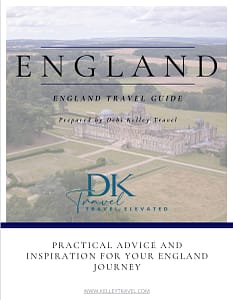
To get the most out of your trip to England, download my Travel Guide with all the information on this page and more!
Ready to Experience England?
You can spend dozens of hours comparing hotels, reading restaurant reviews, figuring out which attractions need advance reservations, and trying to determine how everything fits together.
Or you can let me take care of it.
I design personalized vacations for travelers who want an exceptional trip without managing all the research and logistics themselves. We’ll start with a conversation about how you like to travel, what you want to experience, and what’s important to you. From there, I’ll create a thoughtfully designed itinerary, handle the details, and support you throughout your trip.