The itinerary I recommend after experiencing Peru firsthand.
If you’re planning a trip to Peru, it’s easy to think the experience revolves around one place: Machu Picchu.
Like so many travelers, I had admired photographs of the ancient citadel for years and couldn’t wait to experience it for myself. While it absolutely lived up to every expectation, what I didn’t anticipate was how much I would fall in love with everything that came before it.
Looking back, I didn’t come home talking only about Machu Picchu. I came home talking about Peru.
From Lima’s remarkable food scene to the peaceful beauty of the Sacred Valley, Peru offers one unforgettable experience after another. If you’re planning your first visit, here’s the itinerary I recommend, and why.
Lima Deserves More Than One Night
Like many travelers, I initially thought of Lima as simply the city where I’d land before heading into the Andes. I was wrong, and I’m so glad I spent two nights here.
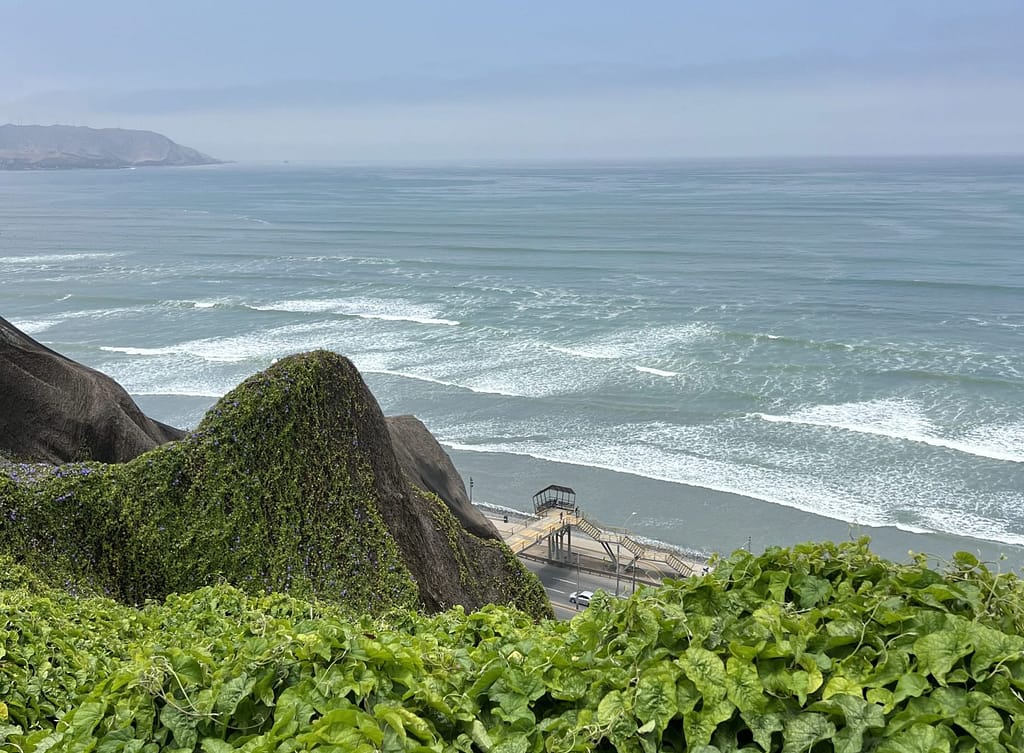
Perched high above the Pacific Ocean, Lima combines beautiful coastal scenery with fascinating Indigenous and colonial history. I spent time exploring local neighborhoods, wandering through markets, and, as a solo female traveler, always felt comfortable and safe.
The biggest surprise – that shouldn’t have been – was the food.
Peru’s reputation as one of the world’s great culinary destinations is absolutely deserved. As someone who already loves ceviche, I was in heaven.
One of my favorite experiences of the trip was joining a local chef for a cooking class that began with shopping at a neighborhood market before preparing ceviche together in her home overlooking the Pacific Ocean. It wasn’t simply about learning a recipe – it was an introduction to Peru’s culture through its food.
I recommend spending at least two nights in Lima. It’s far more than just a gateway city.
The Sacred Valley Isn’t Just a Place to Acclimate
Before arriving, I assumed the Sacred Valley would simply be where we adjusted to the altitude before visiting Machu Picchu. Instead, it became one of my favorite parts of Peru.
The valley feels quieter than Cusco and less crowded than Machu Picchu. A peaceful river winds through dramatic mountain scenery, while ancient archaeological sites, traditional villages, and local markets invite you to slow down and stay awhile. There’s a reason it’s called the Sacred Valley – it really does feel special. Whether that’s because of the scenery, the history, or simply the slower pace, it’s one of those places that stays with you long after you leave.
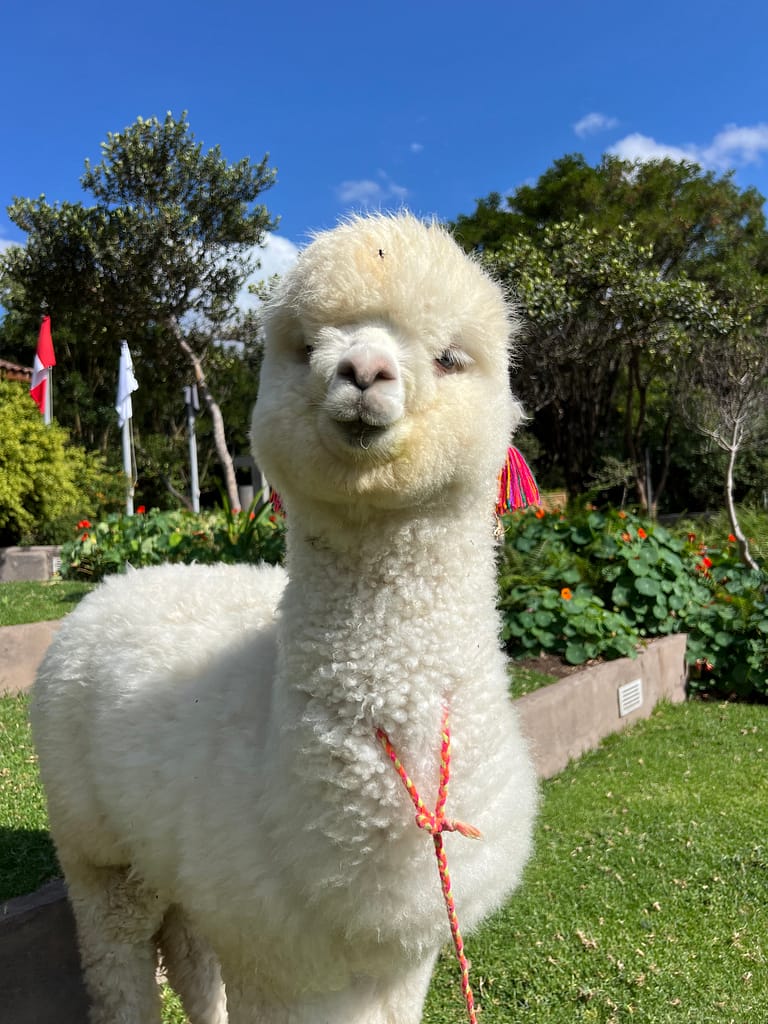
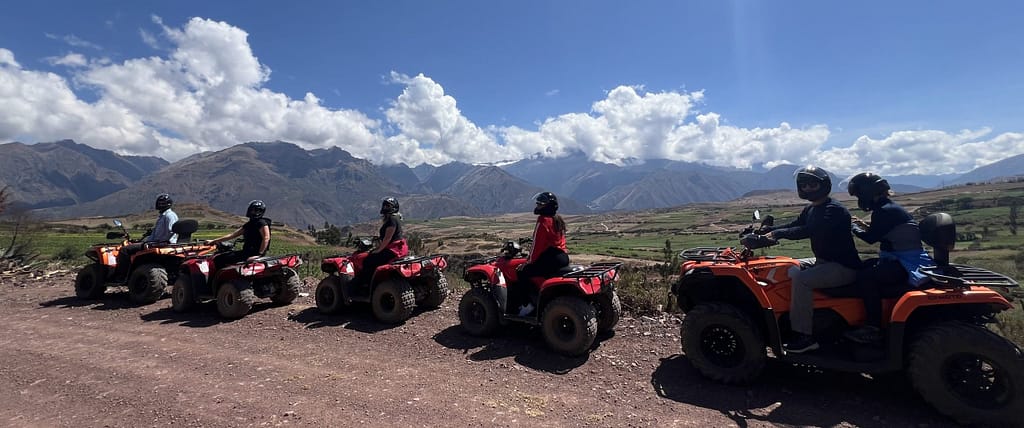
One afternoon we explored by ATV before visiting llamas and enjoying lunch that began with a traditional Andean celebration. I’ll admit, the ceremony itself felt a little outside my comfort zone at first, but once the music started and we found ourselves laughing and joining in traditional dances alongside the performers, it became one of those wonderfully unexpected travel moments that still makes me smile.
I recommend adding an additional day in the Sacred Valley. Before my visit, I thought of it as a stop between destinations. After experiencing it, I now consider it one of Peru’s highlights.
Machu Picchu Really Does Live Up to the Hype
Some places are almost impossible to live up to the photographs. Machu Picchu isn’t one of them.
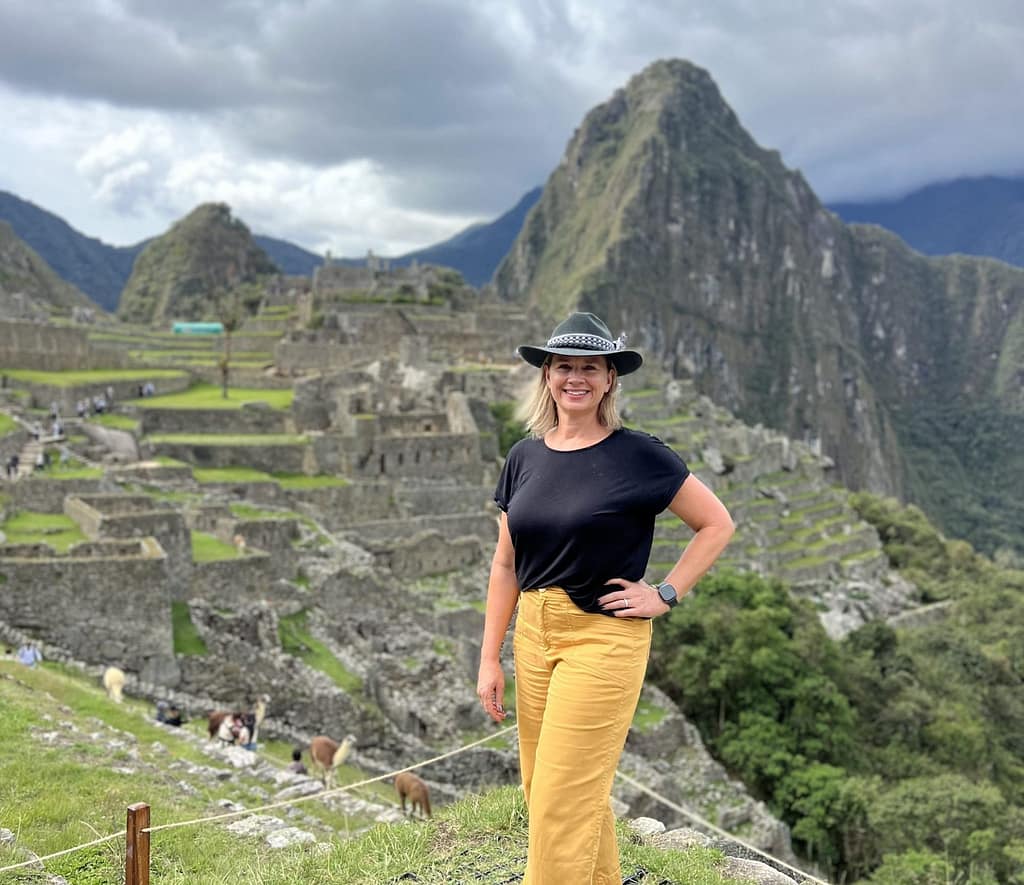
Walking through the entrance and seeing the ancient citadel spread across the mountains felt like stepping into a postcard. One woman in our group immediately burst into tears. I wasn’t emotional in quite the same way, but I completely understood why she reacted that way. Standing there, it’s almost impossible to comprehend how this extraordinary city was built so many centuries ago.
What made the experience even more memorable was our private guide.
He didn’t simply explain dates and history. He helped us understand the mystery behind the site, answered every question we had, pointed out details we would have missed on our own, and somehow managed to capture wonderful photos of all of us without ever making us feel rushed.
Today, visitors must reserve a specific circuit through Machu Picchu in advance, making thoughtful planning more important than ever. I recommend reserving your preferred route as early as possible, especially during the busiest travel months.
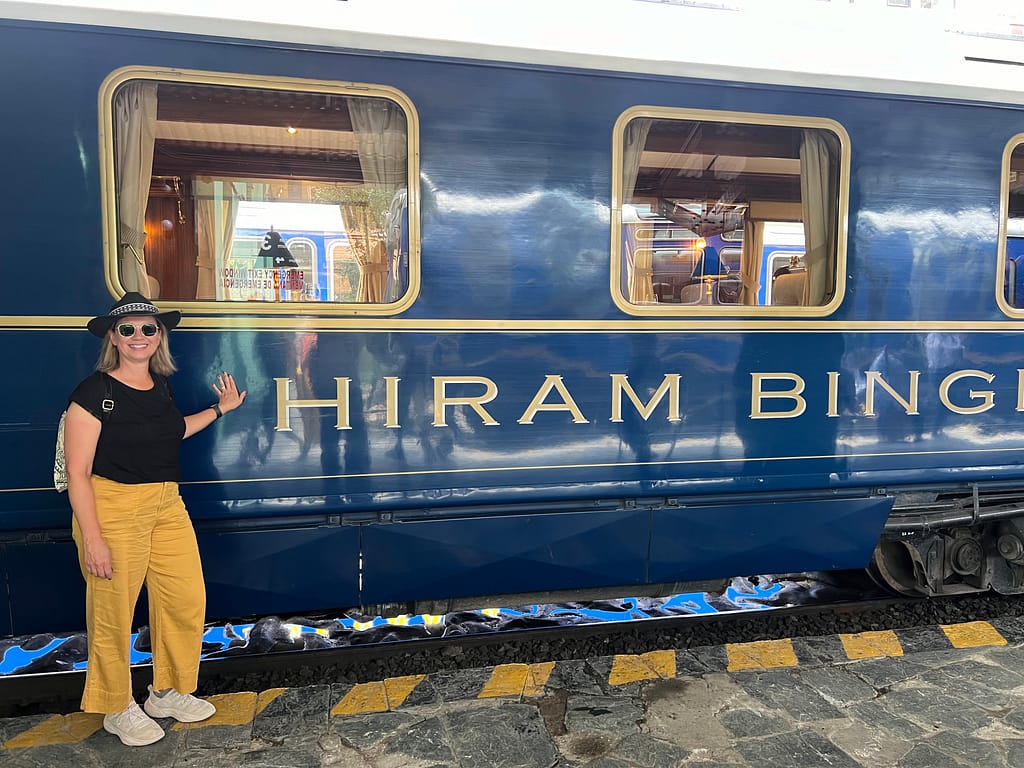
The Hiram Bingham Train Is Worth the Splurge
One question I hear frequently is whether the luxury Hiram Bingham train is worth the additional cost. For me, the answer is an enthusiastic yes!
The elegant dining, attentive service, live music, and beautiful scenery make the journey feel like part of the experience rather than simply transportation.
There is also a practical advantage many travelers don’t realize. Hiram Bingham guests receive priority bus boarding in Aguas Calientes, allowing them to bypass what can otherwise become very long lines for buses traveling up to Machu Picchu. Depending on the day, that convenience alone can save a significant amount of time.
Peru’s History Is Everywhere
Peru is home to more than 100,000 archaeological sites, yet only a fraction have been excavated. Every day seemed to reveal another fascinating ruin, colonial church, ancient terrace, or story that deepened my appreciation for the country’s remarkable past.
By the end of the trip, I realized Machu Picchu wasn’t the entire story. It was simply the most famous chapter. I am looking forward to returning and exploring more sites in the future.
Take the Altitude Seriously, But Don’t Let It Intimidate You
One of the reasons I recommend beginning in the Sacred Valley isn’t just because it’s beautiful; it’s because it’s about 2,000 feet lower in elevation than Cusco. Spending a few days there gives your body time to adjust before continuing higher into the Andes.
Living in Colorado, I didn’t have much trouble with the altitude itself, although several others in our group definitely felt its effects. Everyone responds differently, and it’s something that should be taken seriously rather than underestimated. I was fascinated to learn that some of Cusco’s luxury hotels even offer supplemental oxygen in certain guest rooms to help travelers acclimate.
What caught me off guard wasn’t the altitude; it was the drive from Cusco Airport into the Sacred Valley.
The mountain roads are winding, and knowing I am prone to car sickness, I sat right behind the driver in our very nice passenger van. However, I still got quite carsick on the journey and had to sit out our event at the hotel that night. If you’re prone to motion sickness, I strongly recommend arranging a private transfer in a smaller vehicle rather than traveling on a bus or motorcoach. The smaller vehicles handle the curves much more comfortably, and the more personalized pace makes for a much more enjoyable start to your trip.
With a thoughtfully planned itinerary, plenty of water, and a little extra time to acclimate, most travelers do very well. It’s another reason I recommend slowing down and enjoying the Sacred Valley before continuing on to Cusco and Machu Picchu.
Who Is This Trip Perfect For?
I recommend this itinerary for travelers who:
- Love history and archaeology
- Appreciate exceptional food and wine
- Enjoy meaningful cultural experiences
- Prefer active sightseeing over spending an entire week at one resort
- Want a luxury journey built around authentic experiences rather than simply luxury hotels
Whether you’re interested in photography, history, food, hiking, or simply seeing one of the world’s most remarkable places, Peru offers far more variety than many first-time visitors expect.
Final Thoughts
Before I visited Peru, I thought I was planning a trip to see Machu Picchu.
Instead, I discovered one of the most fascinating countries I’ve ever explored.
The Sacred Valley became my favorite surprise. Lima became one of my favorite food cities. And Machu Picchu somehow managed to exceed impossibly high expectations.
I recommend this itinerary because it allows travelers to experience Peru’s incredible diversity rather than focusing on a single destination. With a little extra time in Lima, the Sacred Valley, and Cusco, the journey becomes much richer, more relaxed, and ultimately more memorable.
Peru rewards thoughtful planning. Choosing the right route through Machu Picchu, deciding where to spend an extra night, selecting the train experience that’s worth the splurge, and finding guides who bring the country’s history to life can completely change the experience.
I thought I was traveling to Peru for Machu Picchu. In the end, Machu Picchu was only one chapter of the story. The real joy was discovering everything that came before it.
If Peru has been on your bucket list, I’d love to help you create an itinerary that fits your interests and travel style while making the most of everything this remarkable country has to offer.