
Scotland, Your Way
Ancient Castles, Dramatic Landscapes and Unforgettable Stories
Scotland has a way of feeling both grand and deeply personal. Its landscapes are dramatic, its history is layered, and its cities are filled with character—but some of the most memorable moments happen in small villages, quiet glens, and welcoming country hotels.
Whether you are drawn to Edinburgh’s historic streets, the sweeping scenery of the Highlands, the rugged beauty of the islands, or Scotland’s legendary golf and whisky traditions, the right itinerary brings these experiences together without making the trip feel rushed.
Why You’ll Love Scotland
Scotland offers an irresistible combination of culture, scenery and history. You can explore a medieval castle in the morning, drive through a magnificent Highland glen in the afternoon and end the day beside a fireplace with a glass of whisky.
It is an especially good choice for travelers who appreciate:
- Historic cities, castles and ancestral connections
- Dramatic landscapes and scenic drives
- Boutique hotels and atmospheric country estates
- Whisky, golf and regional cuisine
- Walking, wildlife and soft adventure
- Destinations with a strong sense of place
The distances can look manageable on a map, but Scotland is best enjoyed at a thoughtful pace. Narrow roads, ferry schedules and irresistible scenic stops mean that trying to cover too much can quickly take away from the experience.
Scotland at a Glance
Best time to visit: May through June and September through early October generally offer a good balance of daylight, scenery and manageable crowds. July and August bring warmer weather and major events, but also higher demand and prices.
Recommended trip length: Allow seven to ten nights for an itinerary combining Edinburgh with the Highlands or Isle of Skye. For Edinburgh alone, three nights provides a comfortable introduction.
Currency: British pound sterling (£)
Language: English is spoken throughout Scotland. You may also see Scottish Gaelic on signs, particularly in the Highlands and islands.
Getting there: Edinburgh and Glasgow are the primary international gateways. You can also reach Scotland from London by direct train, making it easy to combine the two destinations.
Good to know: Scotland’s weather can change quickly. Layers, waterproof outerwear and comfortable walking shoes are essential in every season.
Where I’d Stay
The best place to stay depends on the Scotland you want to experience. Edinburgh works beautifully as the beginning or end of a trip, while the Highlands and islands deserve enough time to settle in and appreciate the landscape.
Edinburgh
For a first visit, I generally recommend staying near the Old Town, New Town, or the area surrounding Edinburgh Waverley Station. These locations make it easy to explore many of the city’s major sights on foot.
A landmark luxury hotel where Edinburgh’s Old Town and New Town meet. Its location beside Waverley Station is exceptionally convenient, while the elegant interiors and traditional service make it a memorable choice for a special trip.
A stylish, contemporary alternative located just steps from Waverley Station and the Royal Mile. It is particularly well suited to travelers who want an excellent walkable location without the formality of a traditional grand hotel.
The Highlands
A Highland stay should feel like part of the experience, not simply a place to sleep. This is where I look for character, beautiful surroundings, and a strong connection to the region.
Located in the village of Braemar, The Fife Arms combines Highland heritage with an extraordinary collection of art and antiques. It is an immersive destination in its own right and a wonderful choice for travelers who appreciate distinctive hotels.
Isle of Skye
Skye deserves more than a hurried day trip. Staying on the island gives you time to enjoy its scenery in quieter mornings and evenings, after many daytime visitors have departed.
This intimate, family-run country house offers warm Highland hospitality, beautiful surroundings and a wonderfully relaxed atmosphere. It is an ideal choice for travelers seeking an authentic and restorative stay on Skye.
Scotland Experiences Worth Your Time
Explore Edinburgh with a Private Guide
Edinburgh’s history feels more meaningful when someone helps connect its streets, buildings, and personalities. A private walking tour can introduce you to the Royal Mile, hidden closes, the atmospheric Old Town, and the elegant Georgian New Town, while tailoring the experience to your interests.
Visit Edinburgh Castle
Sitting high above the city, Edinburgh Castle is one of Scotland’s most important historic sites. Visit early in the day when possible and allow time to appreciate both the exhibits and the views across Edinburgh.
Experience the Highlands with a Driver-Guide
Driving provides freedom, but a private driver-guide allows everyone to enjoy the scenery without worrying about narrow roads, navigation or parking. Glencoe, the Cairngorms and the landscapes surrounding Fort William are particularly well suited to guided exploration.
Spend More Than One Night on the Isle of Skye
Skye is known for dramatic coastlines, mountain scenery, waterfalls and enchanting geological formations. Spending at least two nights gives you a better chance of working around changing weather and seeing the island beyond its busiest viewpoints.
Enjoy a Thoughtfully Chosen Whisky Experience
Scotland has more than one whisky region, and each has its own personality. Rather than selecting a distillery simply because it is famous, I recommend choosing an experience that fits naturally into your itinerary and matches your level of interest.
Travel One of Scotland’s Scenic Rail Routes
Scotland’s rail journeys can be experiences in themselves. The West Highland Line passes through some of the country’s most striking scenery, while the seasonal Jacobite Steam Train between Fort William and Mallaig offers a nostalgic way to experience the western Highlands.
Discover St Andrews
Known worldwide as the home of golf, St Andrews is also a beautiful historic town with university buildings, coastal scenery and evocative cathedral ruins. Even travelers who do not play golf can appreciate its atmosphere and significance.
Beyond Edinburgh
Edinburgh is an excellent introduction, but it represents only one side of Scotland.
The Highlands offer sweeping glens, historic battlefields, mountain scenery and romantic country hotels.
Isle of Skye is ideal for travelers drawn to rugged coastlines, photography, walking and remote landscapes.
Glasgow has a more contemporary, energetic personality, with excellent architecture, museums, restaurants and live music.
St Andrews and Fife combine coastal villages, historic sites and Scotland’s most celebrated golf traditions.
The northern and western islands reward travelers with extra time and comfort planning around flights or ferry schedules.
Choose regions based on your interests and available time—not on how many places can technically fit on a map.
A Few Scotland Planning Tips
Allow more travel time than expected. Driving distances can be deceptive, particularly in the Highlands and islands. Narrow roads, livestock, changing weather and scenic stops often make journeys longer than anticipated.
Avoid changing hotels every night. Two- and three-night stays make for a more enjoyable trip and offer flexibility when the weather changes.
Reserve early. Scotland has a limited supply of distinctive hotels in rural areas. Edinburgh is also extremely busy during its August festivals, while Isle of Skye accommodations can fill up well in advance.
Consider a combination of transportation. Trains work well between major cities, while a rental car or private driver is generally better for exploring the countryside.
Plan island transportation carefully. Ferry schedules can be seasonal, and vehicle reservations may sell out. When ferries are involved, build in enough time for realistic connections.
Prepare for the weather. Pack layers and a genuinely waterproof jacket. Sunshine, wind and rain can all appear in the same day.
Know the entry requirements. Most American visitors traveling to Scotland need a UK Electronic Travel Authorization before departure. Requirements and fees can change, so always use the official UK government website.
Download My Scotland Travel Guide
Planning a trip to Scotland involves more than choosing between Edinburgh and the Highlands. My downloadable Scotland guide includes practical advice about transportation, weather, driving, local customs, dining, historic sites, and the cities, islands, and scenic regions you may want to explore.
[Download the Scotland Travel Guide]
Let’s Plan Your Scotland Journey
Scotland can be a destination all its own or part of a longer journey through the British Isles. Your trip might combine historic cities, dramatic Highlands, ancient castles, scenic rail journeys, whisky experiences, and time on the country’s islands and rugged coastlines.
I’ll help you choose the right route, match you with hotels that suit your travel style, arrange private transportation and memorable experiences, and create an itinerary that feels seamless rather than rushed.
Not just a trip. It’s your next great story.
[Start Planning Your Journey]
More Scotland Inspiration
Related blog posts
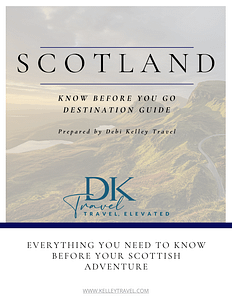
To get the most out of your trip to Scotland, download my Scotland Travel Guide, which includes all the information on this page and more!
Ready to Experience Scotland?
You can spend dozens of hours comparing hotels, reading restaurant reviews, figuring out which attractions need advance reservations, and trying to determine how everything fits together.
Or you can let me take care of it.
I design personalized vacations for travelers who want an exceptional trip without managing all the research and logistics themselves. We’ll start with a conversation about how you like to travel, what you want to experience, and what’s important to you. From there, I’ll create a thoughtfully designed itinerary, handle the details, and support you throughout your trip.